Comprehensive Guide to Preventing Plumbing Backups and Sewer Overflows
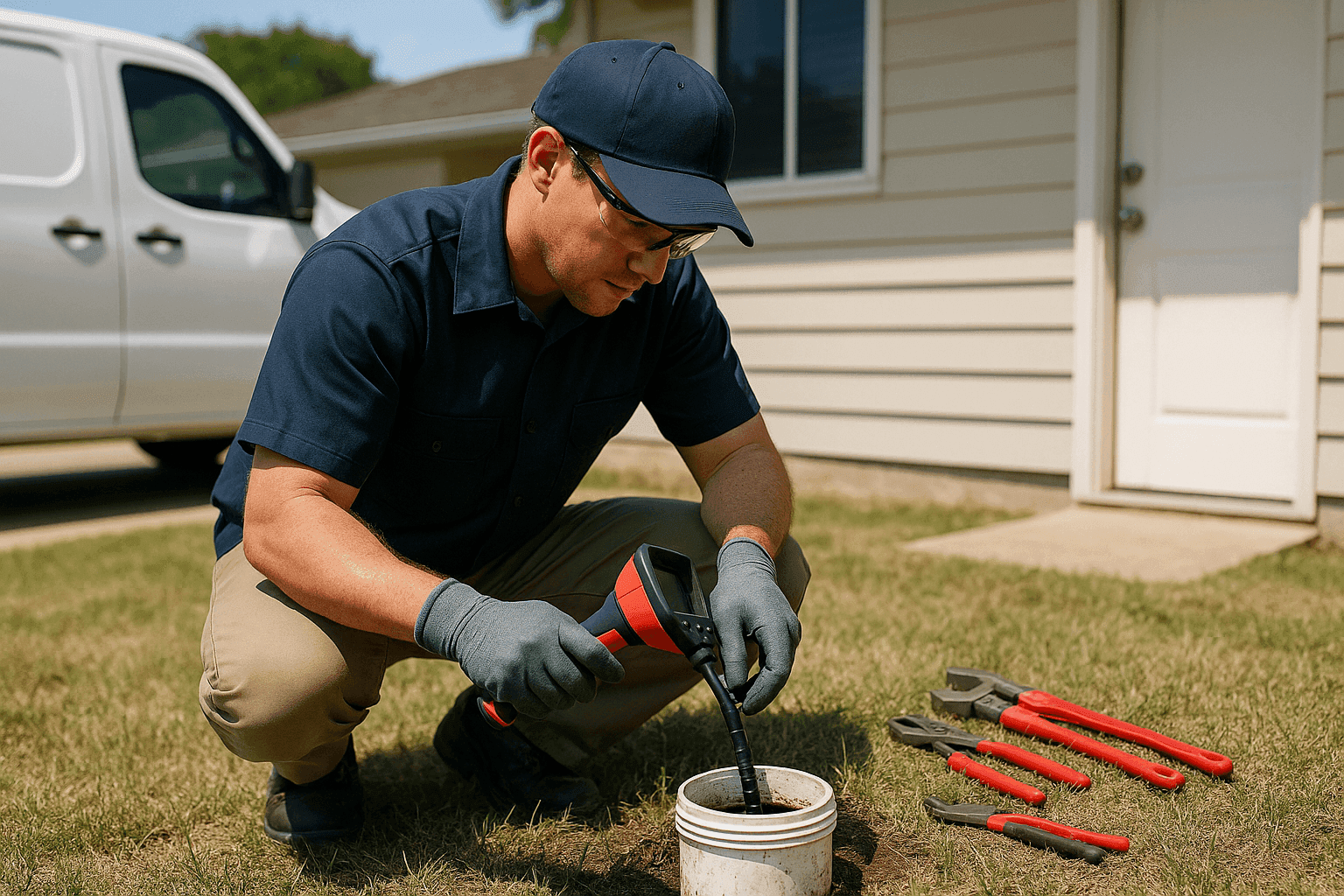
Plumbing backups and sewer overflows are more than just a mess—they can disrupt your home or business, damage property, and expose you to health risks. If you’ve ever dealt with a slow drain or that unmistakable foul odor, you know how quickly small issues can snowball into emergencies.
At H.I.S. Plumbing, we’ve seen it all. Our team helps homeowners and small business owners tackle everything from stubborn clogs to full-blown sewer backups. Let’s break down what causes these problems, how to spot early warning signs, and what you can do to keep your plumbing flowing smoothly.
Why Plumbing Backups and Sewer Overflows Happen 🚨
Plumbing systems are like the veins of your property—when something blocks the flow, trouble isn’t far behind. Here are the most common culprits:
Grease Buildup
Pouring grease or oil down the drain may seem harmless. But as it cools, it hardens—sticking to the inside of pipes like cholesterol in arteries. Over time, the passage narrows until nothing gets through.
Tree Root Intrusion
Roots are relentless. They seek out moisture, and even the tiniest crack in a sewer line can attract them. As roots grow, they invade the pipe, causing blockages and even breaking the line.
Aging or Damaged Pipes
Old pipes corrode, sag, or develop leaks. Cast iron, clay, and even some plastics can deteriorate after years of use. Weak spots in the system become magnets for debris and blockages.
Improper Disposal Habits
Flushing wipes, paper towels, hygiene products, or “flushable” items can clog pipes. Even products labeled as safe for toilets often don’t break down quickly enough.
Heavy Rain or Flooding
Stormwater can overwhelm sewer systems, especially if your property has poor drainage or your sump pump isn’t working. Water backs up, bringing sewage with it.
Quick Safety Checklist: What to Watch For
- Slow-draining sinks, tubs, or toilets
- Gurgling noises from drains or toilets
- Foul odors from drains or near plumbing fixtures
- Water backing up in tubs or floor drains
- Lush, soggy patches in your yard (possible sewer leak)
- Unexplained increase in water bills
If you notice any of these, take action before the problem gets worse.
DIY or Call a Pro? Knowing Your Limits
Some clogs can be cleared with a plunger or drain snake. But when should you put down the wrench and call emergency plumbing help?
Safe DIY Steps
- Use a plunger for minor toilet or sink clogs.
- Pour boiling water down drains to help clear light grease.
- Remove and clean sink stoppers or traps (wear gloves).
When to Call H.I.S. Plumbing
- Recurring clogs that keep coming back
- Multiple fixtures backing up at once
- Sewer odors or signs of a main line blockage
- Water pooling around floor drains or outside cleanouts
- Unusual noises or bubbling in drains when using other fixtures
Trying to fix major backups yourself can make things worse. Licensed plumbers have the right tools and training, following standards set by organizations like the International Association of Plumbing and Mechanical Officials (IAPMO).
What Happens When the Pros Arrive
Professional plumbers don’t just guess—they diagnose. Here’s what you can expect when you call for emergency plumbing service:
Inspection and Assessment
- Visual inspection of affected fixtures and drains
- Use of video camera inspection tools to locate blockages or damage
- Checking for signs of tree root intrusion or collapsed pipes
Clearing the Blockage
- Mechanical snaking or hydro jetting to break up and remove clogs
- Safe removal of debris, roots, or buildup
- Temporary repairs if a full fix isn’t immediately possible
Recommendations and Repairs
- Honest advice on whether repair or replacement is needed
- Written estimates for pipe repair, sewer line replacement, or other fixes
- Preventative tips to avoid future problems
Prevention & Maintenance: Keeping Your Plumbing Healthy 🛠️
Think of plumbing maintenance like brushing your teeth—small steps now prevent big headaches later.
Regular Drain Cleaning
Schedule professional drain cleaning every year or two, especially if you have older pipes or trees nearby. Plumbers use safe, effective methods that go beyond store-bought chemicals.
Sewer Line Inspections
Video inspections catch early signs of trouble—cracks, roots, buildup—before they become emergencies. The National Association of Sewer Service Companies (NASSCO) recommends periodic checks, especially for properties over 30 years old.
Smart Disposal Habits
- Never pour grease, oil, or fat down the drain
- Only flush human waste and toilet paper
- Dispose of wipes, hygiene products, and paper towels in the trash
Backflow Prevention
Backflow devices protect your water supply from contamination during floods or backups. Annual backflow testing ensures these devices work as intended.
Water Filtration and Softening
Hard water can cause scale buildup in pipes, reducing flow and increasing the risk of clogs. Consider installing a water filtration system to protect your plumbing.
Seasonal Tips for Plumbing Protection
Each season brings unique challenges. Stay ahead with these timely tips:
Spring and Summer
- Check for tree root growth near sewer lines
- Inspect sump pumps before rainy season
- Clear gutters and downspouts to direct water away from your foundation
Fall
- Remove leaves and debris from outdoor drains
- Schedule a sewer line inspection before winter
- Insulate exposed pipes to prevent freezing
Winter
- Keep a slow trickle of water running in rarely-used fixtures during deep freezes
- Know where your main shut-off valve is in case of burst pipes
- Disconnect outdoor hoses and drain irrigation systems
Emergency Plumbing: What to Do When Disaster Strikes
Plumbing emergencies don’t wait for convenient times. Here’s how to minimize damage and stay safe:
Immediate Steps
- Shut off the main water supply if water is backing up or leaking
- Avoid using sinks, toilets, or drains until the blockage is cleared
- Keep children and pets away from affected areas
- Wear gloves and protective gear if cleaning up minor spills
Preventing Further Damage
- Move valuables and electronics away from water
- Use towels or mops to contain small leaks
- Open windows for ventilation if sewage odors are present
When to Evacuate
If sewage is flooding your property or you smell gas, evacuate and call for emergency plumbing help immediately. Exposure to raw sewage or gas leaks can be hazardous.
Costs & Time Factors: What to Expect
No two plumbing emergencies are alike, but here’s a general idea of what impacts cost and repair time:
- Severity of the blockage or damage
- Accessibility of pipes and sewer lines
- Need for specialized equipment (camera inspection, hydro jetting)
- Extent of repairs (simple snaking vs. full pipe replacement)
Minor clogs may be resolved in under an hour. Complex sewer line repairs can take several days, especially if excavation is needed. Investing in regular maintenance is almost always less expensive than emergency repairs.
Frequently Asked Questions
How can I tell if my main sewer line is clogged?
Common signs include water backing up in multiple drains, gurgling toilets, and foul odors. If you notice these, call a licensed plumber right away.
Are chemical drain cleaners safe to use?
Most store-bought drain cleaners are harsh on pipes and can cause long-term damage, especially to older plumbing. Mechanical cleaning methods are safer and more effective.
How often should I schedule a professional drain cleaning?
For most homes and small businesses, every 12–24 months is recommended. Properties with lots of trees or older pipes may need more frequent service.
What is backflow prevention and do I need it?
Backflow prevention devices stop contaminated water from entering your clean water supply. Many building codes require annual testing—especially for businesses or properties with irrigation systems.
Special Considerations for Plumbing Backups and Sewer Overflows
- Properties with mature trees are at higher risk for root intrusion—consider annual sewer line inspections.
- Older plumbing systems may need repiping or regular leak detection.
- Businesses with commercial kitchens should train staff on proper grease disposal and schedule more frequent drain maintenance.
- If you have a basement, a sump pump and backwater valve can provide extra protection against flooding and backups.
- Always follow plumbing codes and guidelines set by organizations like the International Code Council (ICC) and local authorities.
Proactive care keeps your plumbing running smoothly and your property protected. If you spot warning signs or need emergency plumbing help, don’t wait.
Call H.I.S. Plumbing now — or reach us anytime at 1-888-778-7167 .