How to Prepare Your Plumbing for Seasonal Weather Changes
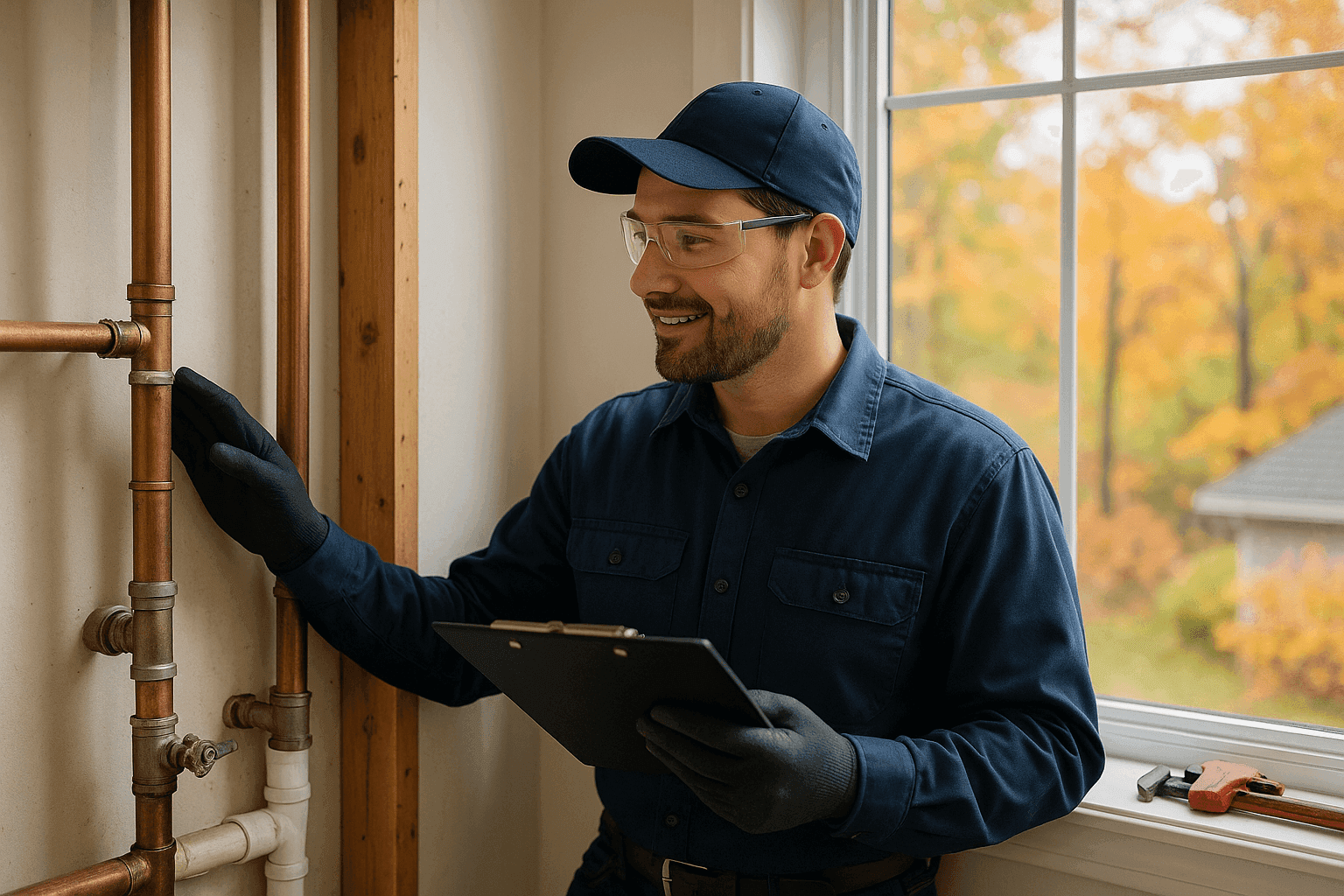
When the seasons flip, your plumbing feels it first. Pipes groan in the cold, drains sweat in the heat, and small leaks can turn into big headaches overnight. At H.I.S. Plumbing, we know that a little preparation can save a ton of stress—and money. Whether you’re a homeowner or run a small business, a few smart moves now can help you avoid late-night emergencies and costly repairs.
Let’s walk through the steps you need to keep your plumbing system running smoothly, no matter what the weather throws at it.
Why Seasonal Changes Stress Your Plumbing
Think of your plumbing as the veins of your home or business. Just like our bodies feel the shift from summer to winter, pipes and fixtures react to temperature swings, humidity, and storms. Cold weather can freeze water inside pipes, causing them to burst like a soda can left in the freezer. Heat can dry out seals, increase pressure, and reveal hidden leaks.
If you ignore these seasonal shifts, you’re rolling the dice. A frozen pipe or a sudden leak doesn’t just ruin your day—it can shut down your business or damage your home.
Quick Safety Checklist for Every Season 🛠️
Before the weather changes, run through this checklist:
- Insulate exposed pipes: Especially those in unheated spaces like basements, attics, and crawl spaces.
- Drain and shut off outdoor faucets: Prevents freeze-ups and burst lines.
- Test your sump pump: Make sure it’s ready for spring storms or heavy rains.
- Check for leaks: Look under sinks, around water heaters, and near appliances.
- Clean gutters and downspouts: Keeps water away from your foundation.
- Schedule a professional leak detection: Small leaks can hide until they become big problems.
Winterizing Plumbing to Prevent Frozen Pipes
Winter is tough on plumbing. When water freezes, it expands, turning a small pipe into a ticking time bomb. Here’s how to winterize:
Step-by-Step: Insulating Pipes
- Spot the risk zones: Find pipes in garages, crawl spaces, or along exterior walls.
- Wrap with foam insulation sleeves: Available at most hardware stores.
- Seal gaps: Use caulk or spray foam around holes where pipes enter walls.
- Keep a trickle running: On the coldest nights, let faucets drip to keep water moving.
- Open cabinet doors: Let warm air circulate around pipes under sinks.
Draining Outdoor Faucets
- Shut off the interior valve: If your home has one.
- Open the outdoor faucet: Let all water drain out.
- Leave it open: Prevents pressure buildup if any water remains.
Summer Plumbing Maintenance Tips
Summer brings its own set of challenges—heavy rains, high water usage, and increased risk of leaks.
Inspecting Sump Pumps Before Storm Season
- Pour a bucket of water into the pit: The pump should turn on and drain the water.
- Check the discharge line: Make sure it’s clear and directs water away from your foundation.
- Listen for odd noises: Grinding or rattling can mean trouble.
Preventing Leaks and Pressure Issues
- Monitor water pressure: High pressure stresses pipes. A plumber can install a pressure regulator if needed.
- Check hoses: Inspect washing machine and dishwasher hoses for cracks.
- Clean drains: Remove hair and debris to prevent slowdowns.
How to Spot Early Signs of Seasonal Plumbing Problems
Catch issues early and you’ll avoid emergency plumbing calls later. Watch for:
- Slow drains: Could mean a clog or root intrusion.
- Water stains or dampness: Hidden leaks often show up as stains on ceilings or walls.
- Unusual noises: Banging or whistling pipes signal pressure or air issues.
- Unexplained spikes in your water bill: A silent leak may be the culprit.
If you spot any of these, don’t wait. Small problems can snowball fast.
DIY vs. When to Call a Pro
Some tasks are perfect for a handy homeowner or business owner. Others need a licensed technician.
DIY Tasks
- Insulating pipes with foam sleeves.
- Draining outdoor faucets.
- Cleaning visible drains.
- Checking for obvious leaks.
When to Call H.I.S. Plumbing
- You can’t find the source of a leak.
- Pipes are frozen or have burst.
- Water pressure is suddenly high or low.
- Sump pump won’t run or makes strange noises.
- You notice sewage smells or slow drains throughout your home.
Our emergency plumbing team is available 24/7 for those moments when you need help fast.
What Our Technicians Do On Arrival
When you call H.I.S. Plumbing, here’s what to expect:
- Thorough inspection: We use advanced tools to find leaks, blockages, or weaknesses.
- Leak detection: Electronic sensors and thermal cameras spot hidden problems.
- Pipe and fixture assessment: We check for corrosion, cracks, or loose fittings.
- Immediate repairs: We tackle urgent issues to prevent further damage.
- Safety checks: We ensure all work meets the latest plumbing codes and safety guidelines (see the Uniform Plumbing Code and International Plumbing Code for reference).
Preventative Maintenance: The Key to Fewer Emergencies
Like an annual checkup for your body, regular plumbing maintenance keeps everything running smoothly. Preventative steps can help you avoid the stress and cost of emergency plumbing repairs.
- Annual inspection: Have a professional check your system before each major season.
- Backflow testing: Prevents contaminated water from entering your supply.
- Water heater maintenance: Flush your tank regularly to avoid sediment buildup.
- Sewer line inspection: Catch tree root invasions or blockages early.
- Water filtration checks: Replace filters to keep water clean and safe.
Costs & Time Factors
Every home and business is different, so costs and timelines can vary. Here’s what to expect:
- DIY insulation: Inexpensive and takes a few hours.
- Professional inspections: Typically completed in a single visit.
- Emergency repairs: Can take anywhere from an hour to several, depending on severity.
- Major repairs (like burst pipes): May require follow-up visits and more extensive work.
Investing a little time and money now can save a lot down the road.
When It’s an Emergency 🚨
Some situations can’t wait:
- Water pouring from ceilings or walls.
- Sewage backing up into sinks or tubs.
- No water at all (could signal a main line break).
- Gas smells near plumbing fixtures.
If you’re facing these, call H.I.S. Plumbing right away. Quick response can make all the difference.
Frequently Asked Questions
How often should I have my plumbing inspected?
At least once a year, especially before winter and summer. If you have older pipes or frequent issues, consider twice a year.
What are the most common seasonal plumbing emergencies?
Frozen pipes, burst lines, sump pump failures, and major leaks top the list.
Can I use heat tape on my pipes?
Yes, but always follow manufacturer instructions and local code requirements. Improper use can be a fire risk.
What if I’m away for the season?
Shut off your main water supply, drain your pipes, and consider having a neighbor or property manager check in.
Special Considerations for Seasonal Plumbing
- Older homes: May have outdated pipes that are more prone to freezing or bursting.
- Commercial buildings: More complex systems and higher water usage need extra attention.
- Vacation homes: Should be fully winterized if vacant during cold months.
- Water filtration and softeners: Seasonal changes can affect water quality—keep up with maintenance.
Preventative care is always easier (and less expensive) than emergency repairs. Even if you like to tackle projects yourself, some things are best left to a professional with the right tools and experience.
Call H.I.S. Plumbing now — or reach us anytime at 1-888-778-7167 .