How to Prevent Plumbing Emergencies: Essential Tips for Homeowners and Small Businesses
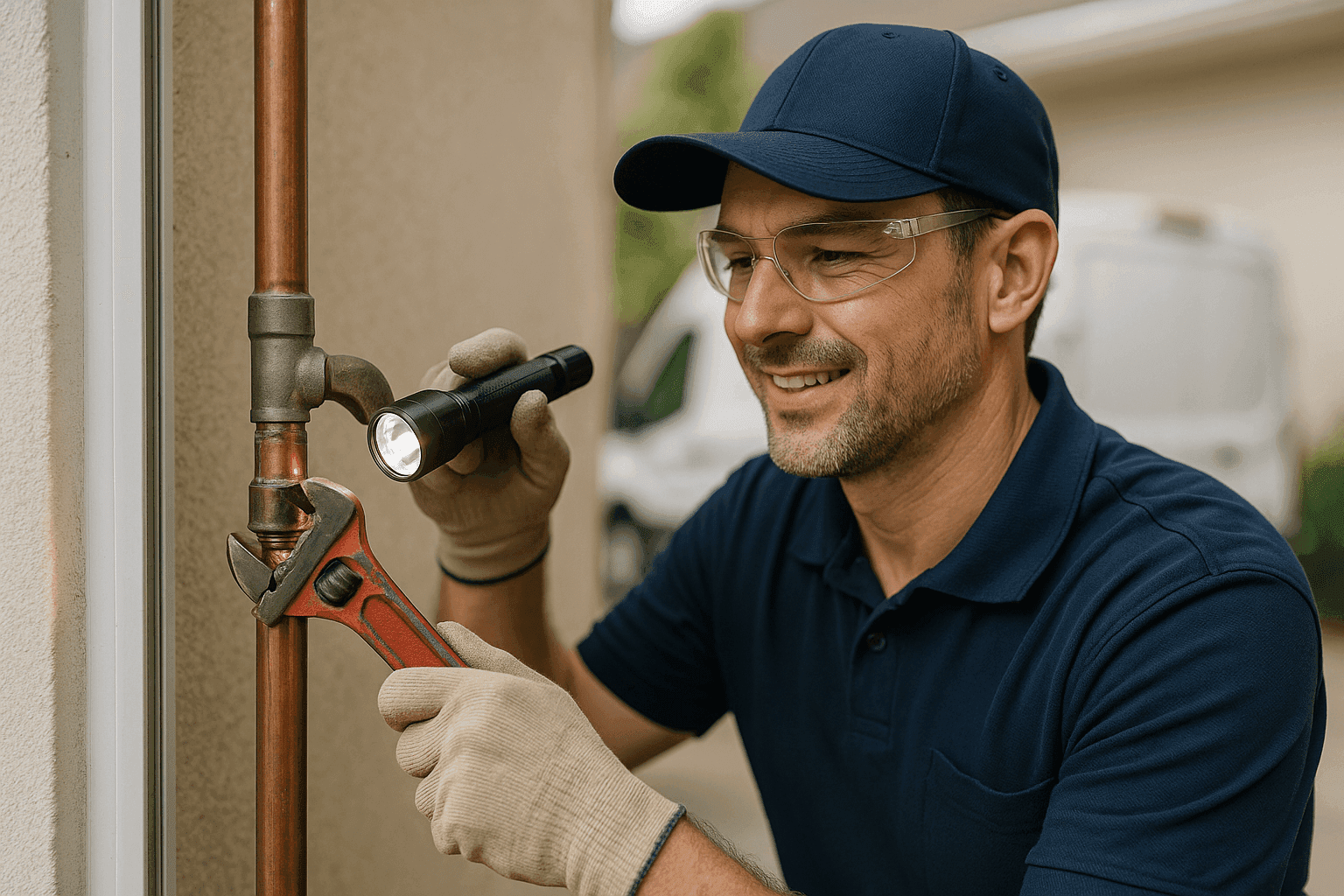
Plumbing emergencies don’t wait for a convenient moment. They strike fast—soaked floors, gushing pipes, or a silent leak that turns into a costly headache. Whether you own a home or run a small business, a plumbing disaster can throw your day into chaos.
At H.I.S. Plumbing, we know the stress that comes with a burst pipe or an overflowing toilet. But most emergencies don’t come out of nowhere. With the right habits and a watchful eye, you can prevent most plumbing problems before they start.
Understanding Common Plumbing Emergencies 🚨
Imagine your plumbing like the veins of your building—always moving, sometimes under pressure, and easy to overlook until something goes wrong. Here are the most common emergencies that catch homeowners and business owners off guard:
- Burst Pipes: Often caused by freezing temperatures, corrosion, or sudden pressure changes.
- Severe Clogs: Kitchen sinks, toilets, and shower drains are prime suspects. Grease, hair, and foreign objects are usual culprits.
- Water Heater Failures: No hot water, strange noises, or leaks can signal trouble.
- Sewer Backups: Foul odors and slow drains might mean a bigger issue is brewing underground.
- Gas Leaks: Unusual smells or hissing sounds near gas lines require immediate action.
- Leaking Fixtures: Dripping faucets or running toilets waste water and money.
These emergencies don’t just cause inconvenience—they can lead to property damage, lost business, and costly repairs. The good news? Most start small, with early warning signs you can spot.
Quick Safety Checklist
Before you face a plumbing emergency, make sure these basics are covered:
- Know Your Main Shutoff Valve: Locate it now. Practice turning it off and on.
- Inspect Visible Pipes: Look for drips, rust, or unusual bulges.
- Check for Slow Drains: Water pooling in sinks or tubs means a clog could be forming.
- Listen for Running Water: If you hear water when no taps are open, investigate.
- Smell for Gas: Any rotten egg odor near appliances or pipes—leave immediately and call for help.
- Test Water Pressure: Sudden drops may signal a leak or blockage.
- Monitor Your Water Heater: Puddles, rust, or odd noises are red flags.
- Keep Emergency Numbers Handy: Save H.I.S. Plumbing’s contact in your phone.
Seasonal Maintenance Tips: Weatherproofing Your Plumbing
Nature has its own plans. Changing seasons bring unique threats to your pipes and fixtures. Here’s how to stay one step ahead:
Winterizing Your Plumbing
- Insulate Exposed Pipes: Especially in unheated areas like basements or crawl spaces. Foam sleeves are affordable and easy to install.
- Disconnect Outdoor Hoses: Drain and store them before the first freeze.
- Seal Gaps: Check around windows, doors, and where pipes enter the building.
- Let Faucets Drip: In extreme cold, a slow trickle can prevent freezing.
- Open Cabinet Doors: Let warm air reach pipes under sinks.
Storm Readiness
- Clear Gutters and Downspouts: Prevent water from backing up and flooding basements.
- Check Sump Pumps: Test before heavy rain. Listen for odd noises or vibrations.
- Install Backflow Prevention Devices: Especially important for properties in flood-prone areas.
- Secure Outdoor Fixtures: Fasten or cover any exposed plumbing.
Following guidelines from sources like the International Plumbing Code and the American Society of Plumbing Engineers can help you align with industry standards for safety and performance.
Routine Inspections and Leak Detection
Catching a problem early is like seeing the first drop of rain before a storm. Here’s how to spot trouble before it gets out of hand:
- Watch Your Water Bill: Unexplained spikes can mean hidden leaks.
- Check Under Sinks: Look for dampness, mold, or warped wood.
- Inspect Toilets: Drop a few drops of food coloring in the tank—if color appears in the bowl without flushing, there’s a leak.
- Test Shut-Off Valves: Make sure they turn easily and stop water flow completely.
- Look for Water Stains: Ceilings, walls, or floors with discoloration may hide a slow leak.
Professional plumbers use advanced tools like acoustic leak detectors and thermal imaging to find hidden issues. But these simple checks can catch many problems early.
When to Schedule Professional Preventative Maintenance 🛠️
Some things are best left to the pros. Preventative maintenance by a licensed plumber keeps your system running smoothly and catches issues you might miss. Here’s when to call H.I.S. Plumbing:
- Annual Inspections: A yearly check-up for your entire plumbing system.
- Before Buying or Selling Property: Make sure everything is up to code and in good shape.
- After Major Renovations: Construction can stress pipes and fixtures.
- If You Notice Persistent Problems: Recurring clogs, low water pressure, or strange noises.
During a maintenance visit, a professional will:
- Inspect all visible and hidden pipes for leaks or corrosion
- Test water pressure and flow
- Clean out drains and traps
- Examine water heaters and boilers
- Check sump pumps and backflow devices
- Assess gas lines for safety
Regular maintenance isn’t just about preventing emergencies—it’s about extending the life of your plumbing and protecting your investment.
Simple DIY Checks vs. When to Call a Pro
You don’t need a toolbox full of gadgets to keep your plumbing healthy. Many issues can be spotted—or even fixed—with a little know-how:
DIY Checks
- Clear minor clogs: Use a plunger or a drain snake for slow drains.
- Tighten loose fixtures: Hand-tighten connections under sinks or at hose bibs.
- Replace worn washers: A dripping faucet often just needs a new washer.
- Clean faucet aerators: Remove and rinse to improve water flow.
When to Call a Professional
- Persistent or recurring clogs
- Water stains or mold growth
- Leaking or sweating pipes
- No hot water or rusty water
- Gas odors or hissing sounds
- Major drops in water pressure
- Any sign of sewage backup
If you’re ever unsure, it’s safer—and usually cheaper—to get a professional opinion before a small problem turns into a disaster.
What the Pros Do On Arrival
When you call H.I.S. Plumbing for emergency plumbing or routine maintenance, here’s what you can expect:
- Assessment: We listen, look, and ask questions to understand the issue.
- Inspection: Using tools and experience, we find the source of the problem.
- Containment: We stop leaks, shut off water, or secure the area to prevent further damage.
- Repair: From unclogging drains to replacing broken pipes, we do what’s needed to restore function.
- Testing: We check our work—making sure everything runs as it should.
- Advice: We’ll explain what happened, how to prevent it, and what to watch for in the future.
Our team follows safety standards set by organizations like the Occupational Safety and Health Administration (OSHA) and adheres to plumbing codes to ensure safe, reliable repairs.
Prevention & Maintenance: Building Good Habits
Think of plumbing maintenance like brushing your teeth—regular care keeps problems away. Here’s how to build lasting habits:
- Monthly: Check for leaks under sinks, test shut-off valves, and clean drain stoppers.
- Quarterly: Inspect water heater for rust or leaks, flush sediment if needed, and test sump pump.
- Annually: Schedule a professional inspection, clean gutters, and check for corrosion on exposed pipes.
Pro Tip: Write reminders on your calendar or set phone alerts. Consistency is key.
Costs & Time Factors
Plumbing emergencies can hit your wallet hard—especially if they cause property damage. Here’s what to expect:
- Routine Inspections: Usually take 1–2 hours, depending on the size of your property.
- Minor Repairs: Fixing a leaky faucet or unclogging a drain can often be done in under an hour.
- Major Repairs: Burst pipes, water heater replacements, or sewer line repairs may take several hours or more.
Preventative maintenance is almost always less expensive than emergency plumbing repairs. Catching a leak early might cost a small service fee—waiting could mean thousands in repairs and cleanup.
When It’s an Emergency
Not every plumbing issue needs a midnight call. But some situations can’t wait:
- Flooding: Water on the floor or pouring from a pipe.
- No Water: Complete loss of water to your building.
- Sewage Backups: Any sign of sewage in drains or toilets.
- Gas Leaks: Smell of gas or hissing near lines—leave the building and call immediately.
- Water Heater Leaks: Hot water pooling around the heater.
If you’re unsure, ask yourself: Is water or gas escaping uncontrollably? Is there a risk of property damage or health hazards? If yes, call H.I.S. Plumbing right away.
Frequently Asked Questions
How do I know if I have a hidden leak?
Watch for unexplained increases in your water bill, moldy smells, or water stains on ceilings and walls. If you suspect a hidden leak, a professional plumber can use specialized tools to pinpoint the source.
Can I use chemical drain cleaners for clogs?
It’s best to avoid them. Chemical cleaners can damage pipes and harm the environment. Use a plunger or drain snake for minor clogs. For persistent issues, call a professional.
How often should I have my plumbing inspected?
A yearly inspection is recommended for most homes and small businesses. Older properties or those with frequent issues may benefit from more frequent checks.
What should I do if my pipes freeze?
Turn off the main water supply and gently warm the frozen section with a hair dryer or towels soaked in hot water. Never use open flames. Call a professional if you can’t locate or safely thaw the pipe.
Special Considerations for Homeowners and Small Businesses
Every property is unique. Homeowners may have older plumbing or DIY upgrades, while small businesses often have higher usage and stricter safety requirements. Here’s what to keep in mind:
- Older Homes: Pipes may be more prone to corrosion and leaks. Inspections are especially important.
- Commercial Kitchens/Bathrooms: Grease traps, multiple sinks, and heavy use demand regular cleaning and maintenance.
- Rental Properties: Landlords should ensure regular inspections and prompt repairs to protect tenants and property value.
- Accessibility: Make sure shut-off valves and key fixtures are easy to reach in an emergency.
Stay informed about safety standards from organizations like the American Water Works Association (AWWA) and National Fire Protection Association (NFPA) for best practices.
Plumbing problems don’t have to catch you off guard. With a few simple habits and regular check-ups, you can keep water flowing where it should—and avoid the stress of a midnight emergency. If you spot a warning sign or just want peace of mind, Call H.I.S. Plumbing now — or reach us anytime at 1-888-778-7167 .